

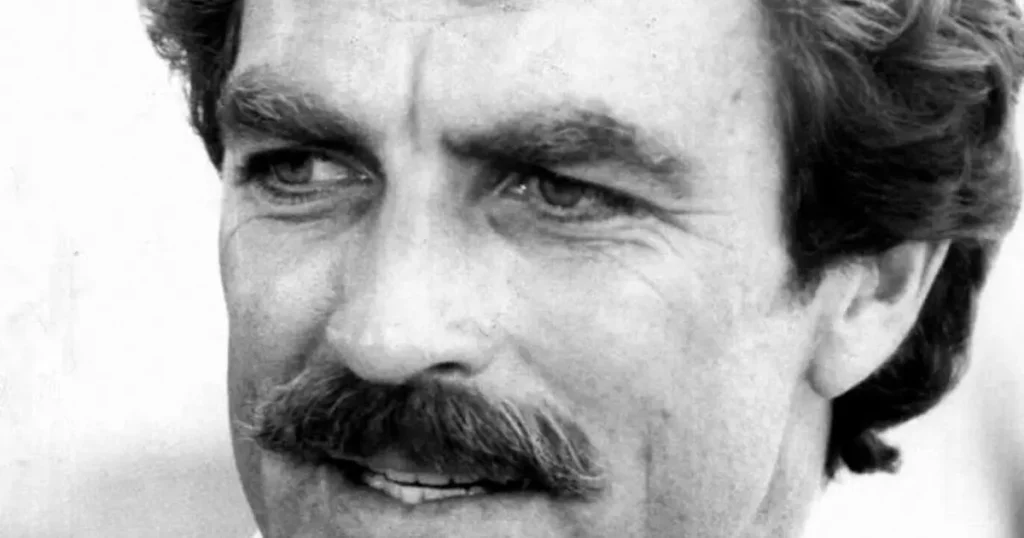
Tom Selleck looks like he was born in a Hawaiian shirt, holding a gun. Magnum, P.I. made him a star. Blue Bloods turned him into America’s dad—or grandpa, depending how old you are. The mustache has its own fan club. But here’s the part people skip: for over a decade, Hollywood had no clue what to do with him.
Selleck was born in Detroit in ’45, grew up in Southern California. He wasn’t an actor—he was a basketball player, full ride to USC. Then some drama coach told him to try acting. He figured, why not. Probably thought it’d be a fun detour. Oops.
The late ’60s and ’70s were ugly. Commercials. Background roles. TV pilots that aired once and died. He worked security, carpentry, whatever paid the rent. Casting directors told him no, or said “interesting” and never called back. He kept showing up anyway. Not because of some grand plan. He just didn’t know how to quit.
The Break That Changed Everything
In 1980, CBS gave him the lead in Magnum, P.I. He was 35. Ancient for a new leading man. And it exploded. Suddenly he’s in Hawaii, in a red Ferrari, in those short shorts, on everyone’s TV.
Most actors would’ve let that fame go to their head. Selleck didn’t. After a decade of scraping by, he knew the industry could drop you as fast as it picked you up. He kept working—hit movies like Three Men and a Baby, Westerns like Quigley Down Under, a memorable run on Friends, and then twelve years as Frank Reagan on Blue Bloods.
Look up photos of Selleck in his 20s—clean-shaven, no mustache, looking kind of awkward. He looks like any other aspiring actor in L.A., waiting for a call that might never come.
What changed? Not the talent. He always had that. The story isn’t about luck or shortcuts. The only difference between Selleck and the thousands of others who gave up is that he kept walking into audition rooms, took hundreds of no’s, and kept showing up anyway.



All comments are subject to our Community Guidelines. Opinions belong to readers.