
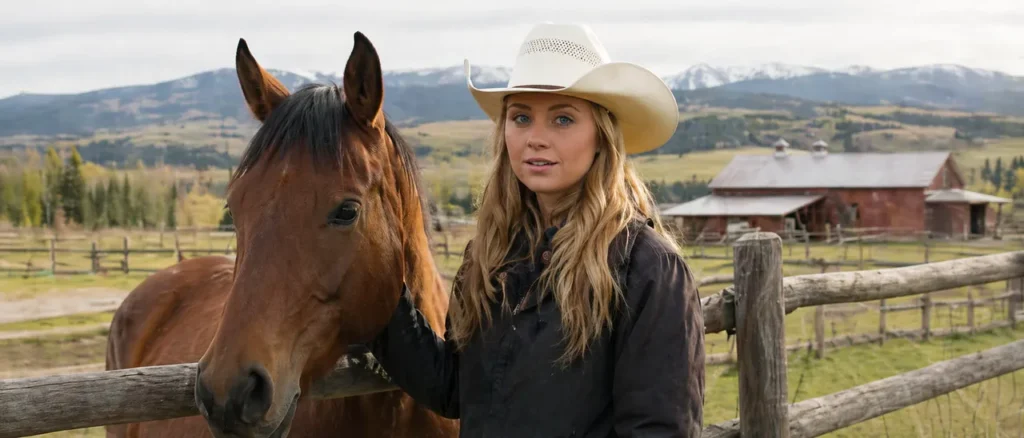
If you looked at the list of America’s most-watched streaming shows in the U.S., you would expect the usual names: The Simpsons, Friends, or some big-budget Netflix thriller. But in 2022, a show about a family ranch in rural Alberta, Canada, absolutely crushed them.
Heartland pulled in 18 billion minutes of U.S. streaming time in a single year, that’s like people watching 360 million episodes — for a Canadian family drama that most Americans hadn’t even heard of a few years earlier.
It’s not a gritty crime drama. There are no dragons or massive explosions. It’s just a slow-paced story about horses and a family that actually likes each other. So, how did it become one of the biggest things on TV?
Americans Found the Show They Were Missing
For the last 20 years, a lot of “serious” TV has been pretty depressing. Every main character has to be cold, mean, sarcastic, or morally complicated, or one bad day away from ruining someone’s life. We’ve been trained to think that if a show is happy, it must be stupid.
Heartland ignores all of that. It’s been called “Little House on the Prairie in 4K,” and that’s a perfect description. It’s not that the show is fake—it deals with death, divorce, and addiction—but it’s not cruel. It lets people screw up without turning them into villains. It feels like a relief from the “everyone is miserable” vibe of most modern TV.
Amy Fleming Grew Up With the Audience
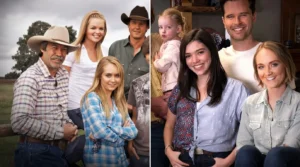
Another reason Americans get hooked is simple: the show has been around forever. Heartland started in 2007. When you watch it now, you’re seeing 250+ episodes of character growth.
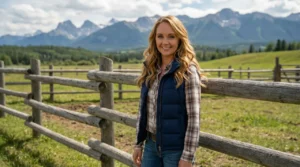
Take the lead, Amy Fleming. When the show starts, she’s a teenager dealing with her mom’s death. Viewers met her at one of the worst points in her life. They watched her grow into a horse trainer, a wife, a widow, and a mother.
That kind of timeline is rare now.
You get to watch characters age, watch grudges take years to heal, and watch trust get rebuilt slowly. It feels more like real life than a 10-episode Netflix season that’s over in a weekend.
The Show Became Big by Being Easy to Find
Heartland didn’t have a massive HBO-style marketing budget. Instead, the producers made a smart, slightly risky move: they put it everywhere.
Whether you have Netflix, Hulu, UPtv, or one of those free apps that comes on your smart TV, Heartland is there. It wasn’t an overnight hit; it was a slow burn. People would find it while doing the dishes or looking for something “quiet” to put on in the background. Then, three seasons later, they realized they were totally invested in the ranch and the family.
It Has No Interest in Being Cool
The best way to describe the show came from a fan who said it has “no ironic bone in its body.”
In 2025, everything feels like it’s trying to be edgy or sarcastic. Heartland isn’t. It’s a “comfort show” in the truest sense. It doesn’t try to shock you or make you feel bad. It just gives you a place to go for an hour where the problems are real, the scenery is beautiful, and the family eventually finds a way to work things out.
When the world feels pretty chaotic, it’s no wonder millions of Americans are choosing to spend 18 billion minutes on a ranch in Alberta.
All comments are subject to our Community Guidelines. Opinions belong to readers.
I only watch to Season 13 Episode 9! After that, of course Ty is gone and it just isn’t the same. It doesn’t have the same feel to it. Made myself watch the later seasons, but it felt empty.
It is the most wholesome show. No bad language, no killing, no bad guy cop shows. Just a beautiful life
Best show EVER! I have to watch a few episodes everyday. Don’t know how I wasn’t watching this show years ago! I am hooked and can’t say enough great things about the show and all the characters. Then there is the horses! Love it all. The scenery is splendid! It all speaks to my heart.
I absolutely think it is the best show I have ever seen on television and I have been watching for many years. The scenery is breath taking, the cast is incredible, and story lines feel real. I literally watch it over and over.
I agree with these comments! This show was Blessed by the Creator. We need it thank you all! PawT