The Grit and the Glare: What Happens When the Outsider Wins?

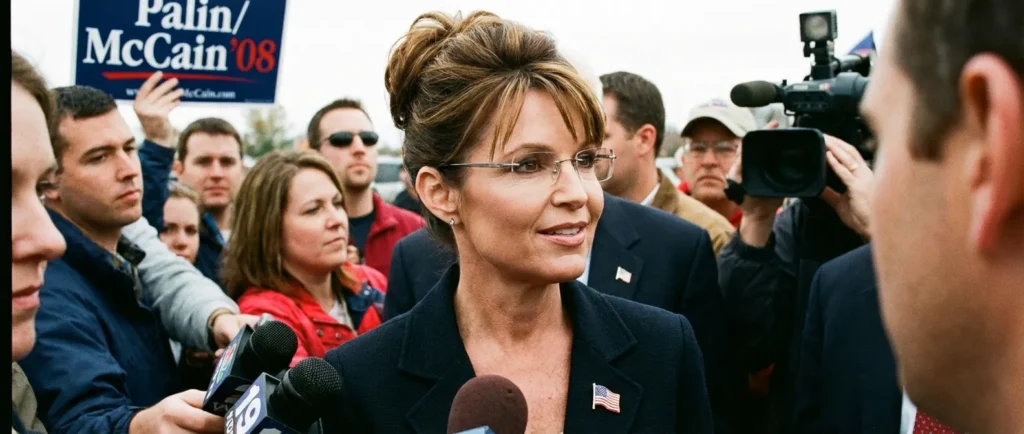
The memory of that November night in 2008 is still laced with the shock of it all. Not the victory itself, which had been plausible enough, but the specific, shuddering weight of what was coming. It wasn't a policy debate anymore; it was the smell of the market collapsing and the sound of Sarah Palin’s heels echoing down the halls of power.
We were told the financial wreckage—the 'black swan' that sealed the actual history—would have been handled with swift surgical austerity under President McCain. The cold, hard reality: no massive cash injection. The banks would have been left bleeding out on the sidewalk. Tax cuts, spending freezes. A theory of self-healing applied to a body that had just been hit by a train. We picture the lines at the unemployment office stretching longer, not because the recovery failed, but because the pain was meant to be absorbed faster, harder. Did that sharp medicine break the fever, or did it just drive the infection deeper, leaving whole towns desolate, clinging to the promise of eventual relief that never arrived?
And then there was the glare. Palin was not a running mate; she was a seismic event. She was the raw, unedited rage of the base given a Vice Presidential office. Her 'common sense' wasn't deployed to cut ribbon; it was deployed to cut throats, metaphorically, of the Washington old guard. Imagine the daily feed, 2009. The staff departures. The leaks. The constant fight against the very machine they were supposed to run. She didn't break the glass ceiling so much as she shattered the window, and every day afterwards was spent arguing about the shards. The government wouldn't have been paralyzed by disagreement over policy; it would have been paralyzed by the sheer, exhausting volume of the internal war, the drama becoming the policy.
McCain, the old hawk, got his wish. The White House, the war room. We know he wouldn't have waited to address Putin, wouldn't have eased the foot off the accelerator in Baghdad. The surge would have been heavier, faster. The diplomatic caution of the following years replaced by immediate, steel-plated confrontation. The timeline of global tension is accelerated. Did that quick, sharp pressure stabilize the map, or did it pull the fuse on a dozen smaller, deadlier skirmishes that history only delayed? We trade the slow burn for the immediate blaze.
The essential truth of the Maverick ticket was that they promised to burn the place down and build something cleaner from the ashes. But the fire started on day one, stoked by the very people who were supposed to put it out. The question isn’t about the bills they signed; it’s about the air we breathed. Would the noise that defines 2026 have started earlier, louder, under a McCain-Palin administration? Or would the intense pressure of those early years—the painful economic correction, the quick foreign confrontations—have exhausted the political system, leaving us with something truly quiet, truly broken, truly different?
Picture John McCain, the old warrior, sitting in the silence of the Oval Office, signing another emergency executive order. The TV glows in the corner, showing his Vice President delivering another blistering attack on an internal foe. He promised control, but all he got was the perpetual, echoing sound of his own revolution eating itself alive.
Leave a Reply