
My dad worked the same factory job for 38 years. The day he retired, they handed him a cheap plastic plaque, shook his hand, and he looked like he was at his own funeral. He did not want the “rest.” He wanted the job.
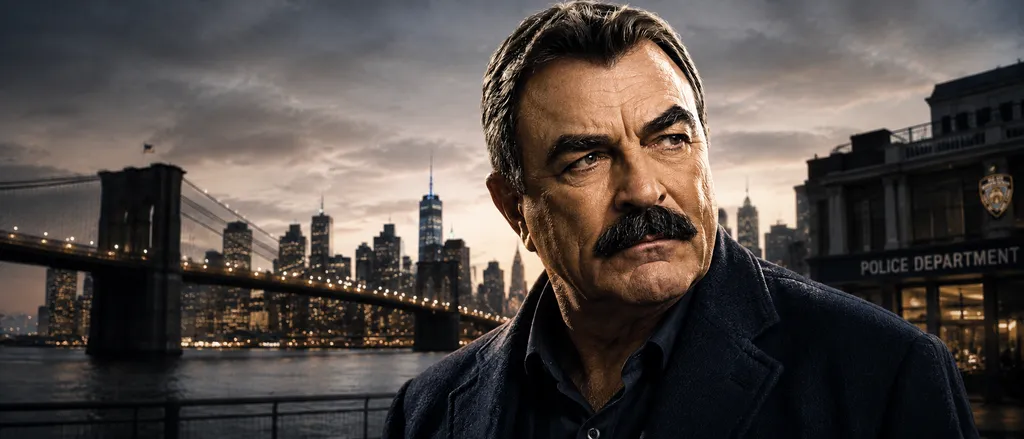
Watching Tom Selleck fight to keep Blue Bloods on the air brought that feeling back to me. People kept saying he should retire, that he was too old, that maybe it was time. But for Selleck, it wasn’t about the money or the fame. He just loved his job.
The show was never popular TV. No big surprises every week. No dark bad guys giving long talks about trauma. It was a dependable Friday night show about family dinners, everyday life, and people doing their jobs. You knew exactly what you were getting when the theme music started.
The frustrating part is that the show did not really collapse under its own weight. The audience was still there. CBS simply decided it was too expensive. The cast had been around a long time, salaries were higher, and television executives are always chasing the next younger audience they think advertisers want more.
So a successful show got treated like a budgeting problem, and they didn’t care that they were killing a show that millions of people loved.
A lot of actors in Selleck’s position would have quietly disappeared into retirement. Maybe a few commercials. A couple of interviews looking back on the glory years. Instead, Selleck kept talking openly about wanting to keep working, and while some people called that “needy,” I call it self-respect. He’s showing that the business doesn’t get to choose when you’re “too old.”
Now, he’s bringing back his Jesse Stone character. That’s a smart move. He’s taking control of his own work instead of waiting for a network to let him show up on set.
He still wants to wake up at 5 AM, hit the set, and actually do the work. If the big networks won’t give him a slot, he’ll just build his own. That’s not a guy who’s stuck in the past—that’s a guy who still knows his worth.


All comments are subject to our Community Guidelines. Opinions belong to readers.
I love Blue Blood and I personally think they are wrong. There’s just to many people that loves that show. If you take a piece of candy from a child that they love you are causing your self a problem the same goes for this show. Your making a huge mistake and it’s just because of money. that’s the saddest thing ever. Thomas Selleck good luck to you. But I won’t be wasting my time on watching anything else. I bought the DVDs so I could watch blue Blood 💙 all the time.